The Relevance of Court Reporting in Ensuring Accurate Legal Proceedings
Court reporting is a vital part of the legal system. It provides a unbiased and specific document of court room tasks. This paperwork is vital for allures and legal study, ensuring that every spoken word is caught accurately. The honesty of lawful procedures depends heavily on these records. Nonetheless, the role of technology and developing methods raises concerns about the future of court reporting and its effect on justice. What adjustments exist ahead?
The Role of Court Reporters in the Legal System
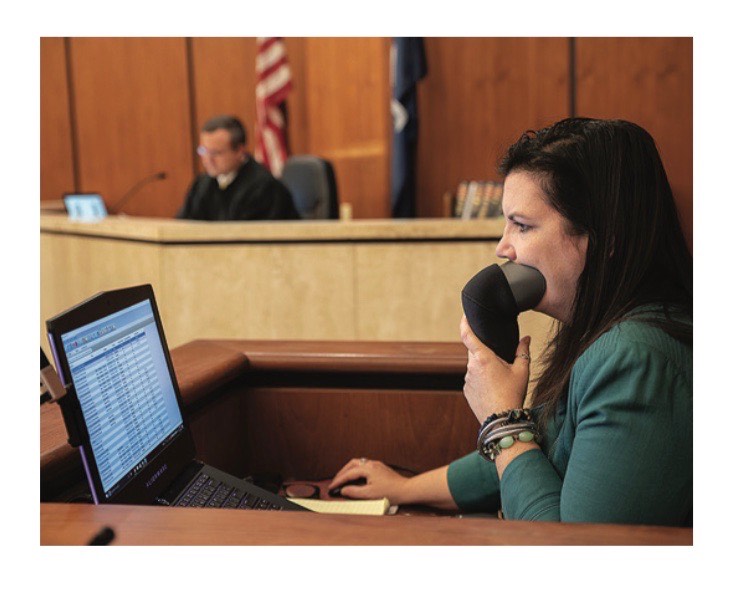
Court reporters play an important duty in the lawful system by supplying accurate and unbiased records of procedures. Their job guarantees that courtroom discussions, witness testimonies, and lawful disagreements are consistently recorded, offering as a main record for future recommendation. This paperwork is vital for appeals, lawful study, and maintaining the integrity of judicial procedures. Stenotype reporter are educated experts competent in stenography and various videotaping modern technologies, enabling them to capture talked words with precision. They should possess a complete understanding of lawful terminology and courtroom protocols, ensuring that their records meet the requirements needed by the judicial system. Additionally, they may supply real-time transcription solutions, allowing attorneys and courts to gain access to info instantly throughout procedures. By fulfilling these responsibilities, stenotype reporter promote openness, responsibility, and the fair management of justice, thereby enhancing the fundamental concepts of the lawful system.
Making Sure Precision in Transcription
Accuracy in transcription is paramount for preserving the honesty of lawful proceedings. Stenotype reporter carefully record every word talked during trials, hearings, and depositions, assuring that the authorities document mirrors truth dialogue and exchanges that occur. This accuracy is critical, as even minor errors can cause considerable misunderstandings or misconceptions of the law.
To attain this degree of precision, court press reporters use various strategies, consisting of energetic listening and making use of specialized shorthand approaches. Continual training and experience with legal terms additionally enhance their capability to create trustworthy records.
Additionally, the verification process is important; reporters often evaluate their transcripts for prospective inconsistencies prior to final submission. This persistance not just supports the quality of lawful documents but likewise sustains the judicial procedure, enabling courts and lawyers to reference specific documents when making decisions. Eventually, precise transcription promotes rely on the legal system and warranties that justice is offered.
The Influence of Innovation on Court Reporting
As technology remains to develop, its impact on court reporting has become increasingly significant. Digital recording systems and speech recognition software have actually changed standard methods, supplying new devices for capturing spoken dialogue. These innovations enhance effectiveness and access, allowing much faster transcription and real-time reporting. Furthermore, cloud-based platforms promote smooth sharing of transcripts, improving partnership amongst attorneys.
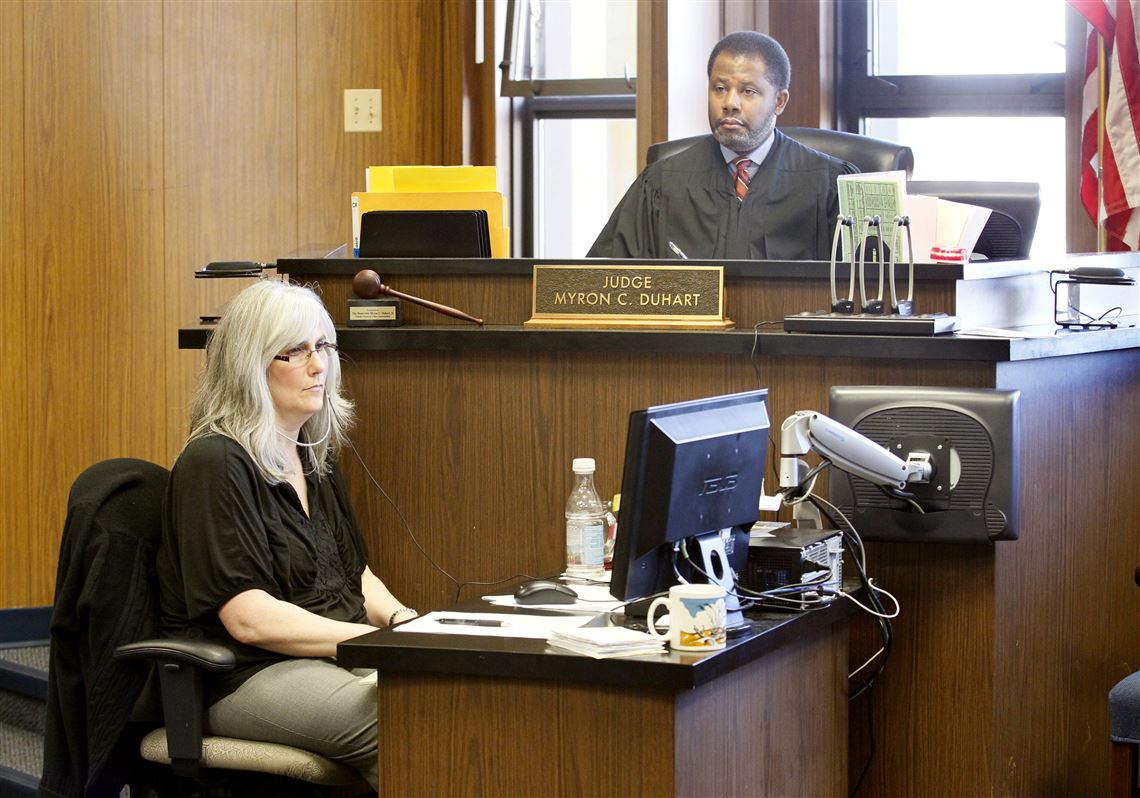
Eventually, while technology improves the speed and ease of access of court reporting, it underscores the requirement for human oversight to keep the top quality and accuracy vital for legal proceedings. As the area proceeds to adapt, the combination of innovation will certainly play a critical function fit the future of court reporting.
The Importance of Discretion and Honesty
Privacy and stability are basic concepts that underpin the method of court reporting in lawful proceedings (durham court reporting). Court reporters are left with sensitive information, requiring them to keep discernment and shield the privacy of all events involved. This discretion promotes a relying on environment where plaintiffs and witnesses can speak openly, guaranteeing that the legal procedure is reasonable and just
Stability is just as vital; court reporters should offer accurate and honest transcripts, working as the authorities record of the process. Any kind of gap in honesty can cause misconceptions, possibly affecting situation outcomes and undermining the judicial system.
Future Fads in Court Reporting
The landscape of court reporting is progressing in action to technical advancements and the altering needs of the legal occupation. Emerging fads include the assimilation of artificial intelligence and real-time transcription solutions, which improve performance and accuracy. Court press reporters are significantly making use of digital tools, such as cloud-based platforms, enabling smooth cooperation amongst lawful groups and less complicated accessibility to records.
Furthermore, the rise of remote court process has triggered the development of specialized training for reporters in digital environments. This change not just adapts to the demands of a globalized lawful landscape yet additionally addresses Learn More Here difficulties posed by geographical barriers.
The focus on availability is driving developments in transcription layouts, making sure that lawful files provide to diverse audiences. On the whole, the future of court reporting is characterized by a mix of visit their website conventional skills and modern-day technology, placing press reporters as vital gamers in the legal procedure.
Frequently Asked Inquiries
What Certifications Are Needed to Come To Be a Stenotype Reporter?
To end up being a court reporter, people generally call for a senior high school diploma, specialized training in court reporting, proficiency in shorthand or voice writing, and qualification or licensing, relying on the territory and specific task needs. - durham court reporting
Just How Do Court Reporters Maintain Their Skills Over Time?
Stenotype reporter maintain their abilities with time via continual education and learning, method, and involvement with professional organizations. They commonly go to workshops, utilize innovative innovation, and take part in certification programs to enhance their effectiveness and adapt to evolving criteria.
What Obstacles Do Court Reporters Face in Their Profession?
Stenotype reporter experience countless obstacles, consisting of taking care of high-pressure settings, adapting to diverse accents and dialects, preserving technological effectiveness, guaranteeing accuracy under tight due dates, and managing mentally billed statements that may affect focus and efficiency.
Are Court Reporters Entailed in Other Lawful Setups Besides Courtrooms?
Court reporters are without a doubt associated with various lawful settings past courts, consisting of depositions, mediation hearings, and administrative process. Their competence warranties accurate records in these settings, adding to the quality and reliability of lawful documentation.
Just How Do Court Reporters Handle Stressful Situations During Procedures?

Stenotype reporter manage demanding circumstances by keeping focus, utilizing efficient time administration skills, and utilizing their training to stay tranquil. They frequently practice deep breathing and utilize methods to lessen see post disturbances, making sure precise documentation under pressure.
Court reporting is an essential element of the lawful system. Court reporters play a vital role in the legal system by giving objective and exact records of process. Ultimately, while innovation improves the speed and accessibility of court reporting, it highlights the demand for human oversight to preserve the high quality and accuracy essential for legal procedures. Confidentiality and integrity are fundamental concepts that underpin the practice of court reporting in lawful procedures. Court reporters are certainly involved in different lawful settings beyond court rooms, consisting of depositions, mediation hearings, and administrative proceedings.